


When it comes to investing in the stock market, two major approaches dominate the discussion: Fundamental Analysis and Technical Analysis. Both methods aim to help investors make informed decisions, but they differ significantly in philosophy, tools, and application.
So, which one really works? Let’s break it down.
What is Fundamental Analysis?
Fundamental analysis focuses on evaluating the true value of a company by studying its financial health, management, industry, and economic factors.
It answers: “Is this stock worth buying for the long term?”
Key Tools:
- Financial statements (Balance Sheet, P&L, Cash Flow)
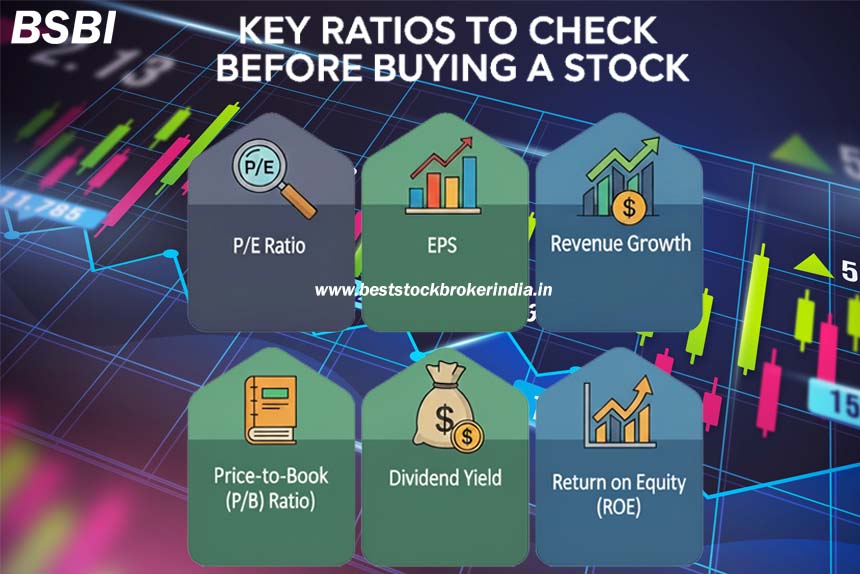
- Ratios (P/E, ROE, Debt-to-Equity, EPS)
- Industry trends & economic outlook
- Management quality & corporate governance
Example:
If you study Infosys and find consistent revenue growth, strong profitability, and robust demand for IT services, you may conclude it’s undervalued — making it a good long-term investment.
Pros:
✅ Helps identify multibagger stocks early
✅ Long-term wealth creation strategy
✅ Less influenced by short-term volatility
Cons:
❌ Time-consuming & requires financial knowledge
❌ Doesn’t help much in timing entry/exit
What is Technical Analysis?
Technical analysis studies price movements and trading volumes to predict future price action.
It answers: “When should I buy or sell this stock?”
Key Tools:
- Charts (candlestick, line, bar)
- Indicators (RSI, MACD, Moving Averages)
- Support & resistance levels
- Chart patterns (Head & Shoulders, Double Top, Cup & Handle)
Example:
If a stock is breaking out above a resistance level with high volume, a trader may enter a buy position expecting a short-term rally.
Pros:
✅ Useful for timing entry and exit
✅ Works well for short-term traders & swing trading
✅ Focuses purely on price action (no balance sheets required)
Cons:
❌ Can give false signals in volatile markets
❌ Requires constant monitoring
❌ Doesn’t consider company fundamentals
Fundamental vs Technical – The Comparison
| Factor | Fundamental Analysis 🏦 | Technical Analysis 📈 |
|---|---|---|
| Focus | Company’s intrinsic value | Price trends & patterns |
| Best For | Long-term investors | Short-term traders |
| Time Horizon | Years to decades | Minutes to months |
| Tools Used | Financial statements, ratios | Charts, indicators, patterns |
| Strength | Wealth creation, low risk | Market timing, quick gains |
| Weakness | Slow, research-heavy | Risky, may mislead |
Which One Works Better?
The answer is: Both, depending on your goal.
- If you are a long-term investor (wealth creation, retirement, financial goals) → focus on Fundamental Analysis.
- If you are a short-term trader (intraday, swing trading) → rely on Technical Analysis.
- Many successful investors use a combination: fundamentals to select strong companies, and technicals to decide the right time to enter or exit.
Final Thoughts
There’s no one-size-fits-all approach. Fundamental analysis builds conviction in what to buy, while technical analysis helps with when to buy. Together, they form a powerful toolkit for stock market success.