

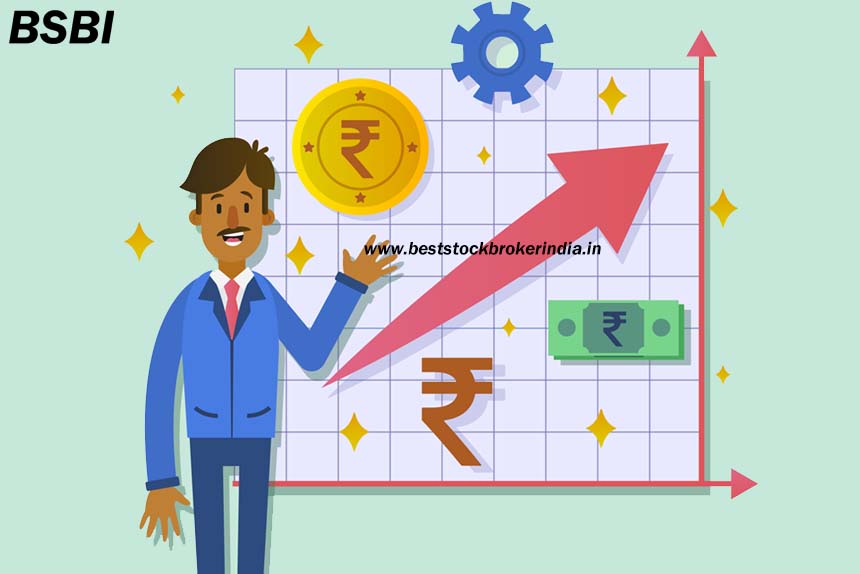

India is currently one of the fastest-growing major economies in the world. With strong GDP growth, a rising middle class, and digital transformation, many experts believe India is on track to become a $10 trillion economy in the next decade or so. But what does this mean for investors and the stock market? Let’s dive in.
India’s Growth Story
- Current Status
- India’s GDP in 2024 is around $4 trillion, making it the fifth-largest economy globally.
- If India sustains a growth rate of 6–7% annually, reaching $10 trillion by 2035 looks achievable.
- Key Drivers of Growth
- Demographics: Young workforce and rising consumption.
- Digital Revolution: UPI, fintech, and startup ecosystem growth.
- Infrastructure Push: Roads, railways, ports, and renewable energy investments.
- Manufacturing & Exports: “Make in India” and global supply chain shifts.
Challenges to Overcome
- Job Creation: Need to generate employment for millions entering the workforce.
- Income Inequality: Wealth distribution remains uneven.
- Global Risks: Oil prices, geopolitical tensions, and currency fluctuations.
- Policy Reforms: Continued push needed in taxation, labor laws, and ease of doing business.
Stock Market Implications
If India becomes a $10 trillion economy, the stock market will play a major role and benefit immensely. Here’s how:
1. Rise in Market Capitalization
- Currently, India’s stock market cap is about $5 trillion.
- A $10 trillion economy could push market cap to $12–15 trillion, creating multi-bagger opportunities.
2. Sectoral Growth
- Banking & Financials: Increased credit demand and financial inclusion.
- IT & Tech: Global outsourcing and AI adoption.
- Infrastructure & Real Estate: Massive urbanization and housing demand.
- Consumer Goods & Retail: Rising middle-class spending power.
- Renewable Energy & EVs: Shift towards sustainability.
3. More Foreign Investment
- Global funds looking for growth will allocate more capital to India.
- FIIs (Foreign Institutional Investors) could make India a core market, just like China once was.
4. Emergence of New Giants
- Just as Infosys, HDFC, and Reliance shaped India’s past market growth, new-age companies in digital, green energy, and healthcare may lead the future rally.
What It Means for Investors
- Long-Term Opportunity: Investors with a 10–15 year horizon can benefit from India’s structural growth.
- Diversification: Focus on sectors aligned with India’s growth story (infra, banking, digital, renewables).
- SIP Strategy: Systematic investments in equity mutual funds or index funds can capture India’s growth.
- Stock Picking: Look for companies with strong fundamentals, low debt, and scalability.
Final Thoughts
India becoming a $10 trillion economy is not a question of “if” but “when.” The journey may face roadblocks, but the long-term trend is upward. For investors, this means the Indian stock market could see massive wealth creation opportunities in the coming decades.
If you stay disciplined, invest consistently, and align with India’s growth sectors, you could ride this wave of economic transformation.